Topic
Local News Deserts: What a Town Loses When Its Paper Dies
The civic costs of shuttered newsrooms, and the nonprofit workarounds now trying to fill the gap.
The civic costs of shuttered newsrooms, and the nonprofit workarounds now trying to fill the gap.
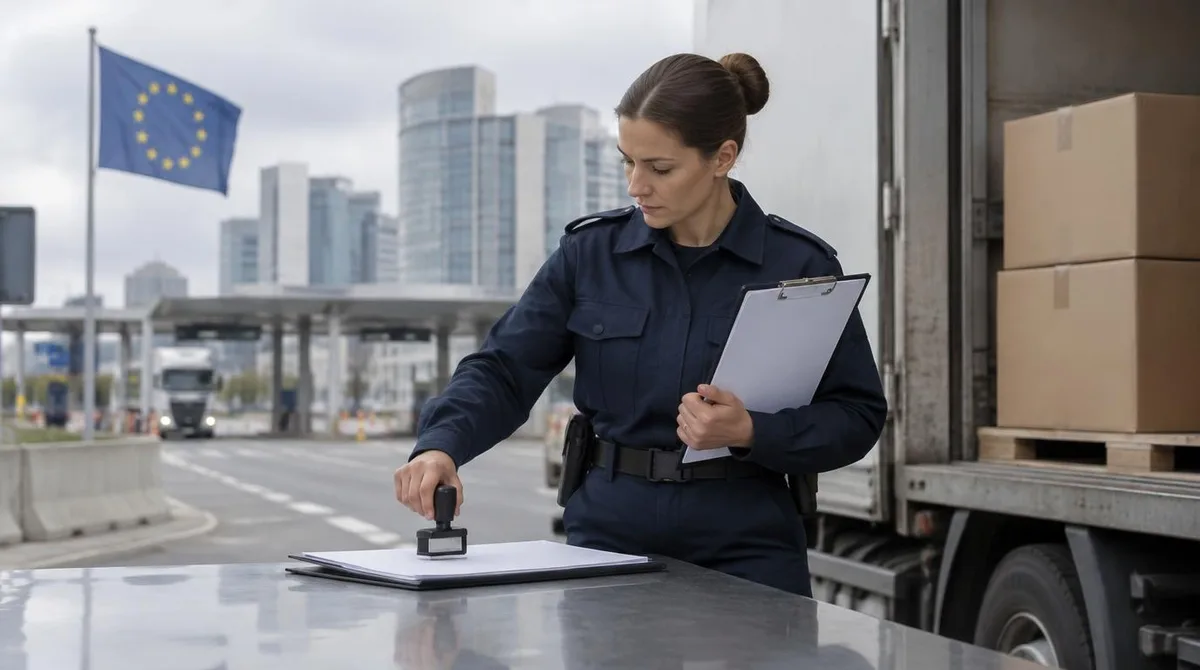
Countries bundle their trade rules together in different ways. The type of bloc they choose decides who sets tariffs, who can trade freely, and who gives up veto power.

A monthly poll of households, built on sampling and weighted questions, has become one of the most watched numbers in finance. Here is how it is made, and why traders care.

Profitable on paper, broke in the bank: how receivables, inventory and seasonal dips decide which companies survive.
A century-old accounting device built for wartime production still sets the terms of political debate. Knowing its limits matters as much as knowing its level.

A narrow stretch of water can do what no tariff or treaty can: decide whether goods move at all. Here is how maritime chokepoints turn geography into leverage.
A deficit is not a scorecard. It is a flow of money that has to come back some other way.

Most trade commitments are enforced not by courts but by the credible threat of retaliation. Here is how that machinery actually works.
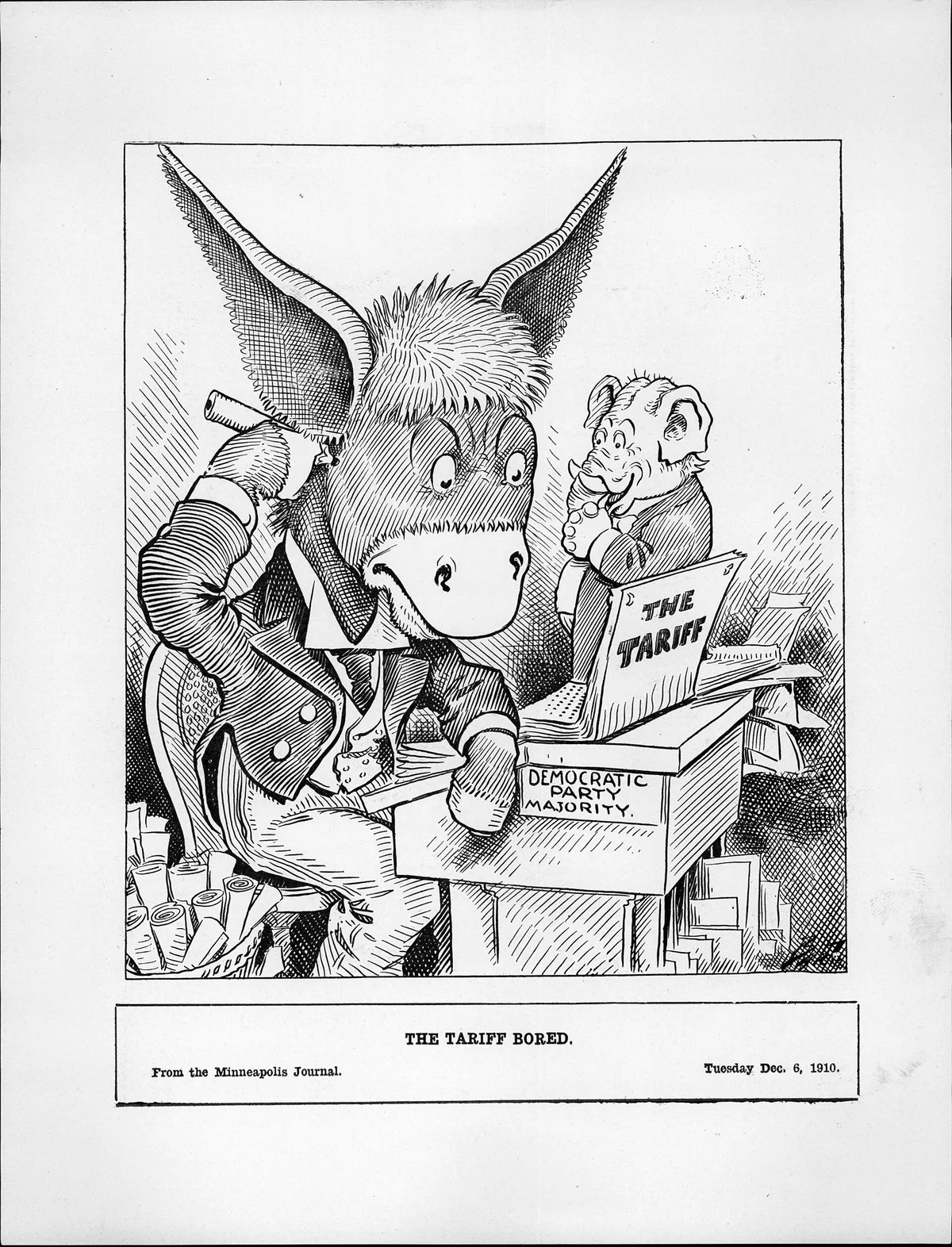
Every imported good gets a code, every code gets a rate, and the rate lands in your cart.
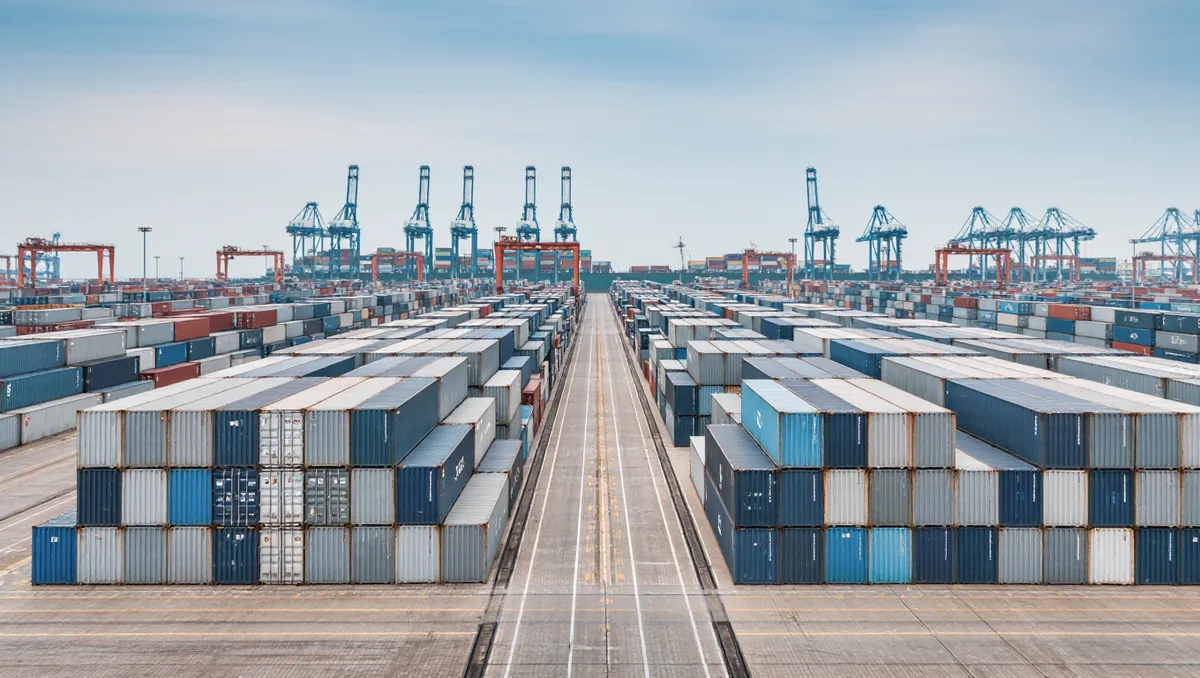
Tariffs, negotiations and a war in the Persian Gulf have rerouted the state's commerce rather than shrunk it.